

How to Develop Custom Billing Software
A Step-by-Step Guide for Businesses Program of Social Media Marketing
Introduction
In the constantly changing business climate, billing software is one of the most vital tools that facilitate normal operations and correct bookkeeping. Although there are readymade products that could be implemented to provide basic functions for various organizations, they may not suffice for each kind of firm. Custom-dubbed billing software gives features, flexibility, and proper authority related to billing software.
In this article, you are going to read about the guideline to the right solution from requirement gathering to deploying the final billing software. Following this guide you’ll learn how to design a platform to increase and optimise your efficiency as well as enhance the experience of the users of the platform plus how the said platform helps in furthering your business.
Learn more about
Top Social Media Marketing Strategies to Grow Your Brand Online
|
Table of Contents 1. Introduction 2. Why Social Media Marketing Matters 3. Massive Audience Reach 4. Cost-Effective Advertising 5. Direct Engagement 6. Boosts Brand Awareness 7. Social Media Ad Spending 8. Top Social Media Marketing Strategies 9. Clarifying Your Objectives and Your Audience 10. Choose the Right Platforms 11. Platform Demographics and Best Uses 12. Design Circumstances for Writing High-Quality, Compelling Texts 13. Hashtag Strategy 14. Run Targeted Social Media Ads 15. Communicate with Your Audience Often 16. Analyze Performance Metrics 17. Case Study: Nike’s Social Media Success 18. Tangible Steps to Follow in Order to Achieve Success with Social Media 19. Conclusion |
Why Do People Choose Custom Billing Software?
Custom billing software is developed to cover the specific demands and requirements known by the management of your business. Benefits include:
- Personalization: Ensure specific characteristics are inline with your commercial strategy and clients needs
- Scalability: Fosters business development without the addition of constraints.
- Cost Efficiency: Reduces expenses over the long run since nothing is added in the customized system like in ready made systems.
- Integration Flexibility: It fits well with other software systems such as the customer relationship management and accounting systems.
Therefore, the first activity in developing a billing software is to outline the specific goals and characteristics of the system. Answer key questions like:
- What kind of billing are you going to manage (subscription based, one-time, recurrent)?
- What are the current challenges that you have with the existing solutions of cyber threats?
- Things such as invoicing, tax calculations, and integration of payment gateway should be among the basic functionalities of this application.
Step 2: Conduct Market Research
Learn what remedies prevail in the current marketplace. Analyze your competitors’ billing systems to determine:
- Restrictions in basic functionalities of their respective devices Same/Different.
- Crucial characteristics that meet primary trends in the sector.
- Most ideas that may help your specific software application to shine.

Step 3: Select the Technology Solutions
It is important to select the right technologies in the project for the project to maximize its chances of success. Your technology stack should include
Frontend Development: For the UI part, there is the use of systems for example, React or Angular.
Backend Development: For their development pick up sound architectures like Node.js, Django, or Laravel.
Database Management: For data storage use databases such as MySQL, PostgreSQL, MongoDB, or any other Nosql database.
Cloud Services: AWS Azure, Google Clouds for scalability and security reasons among other cloud options.
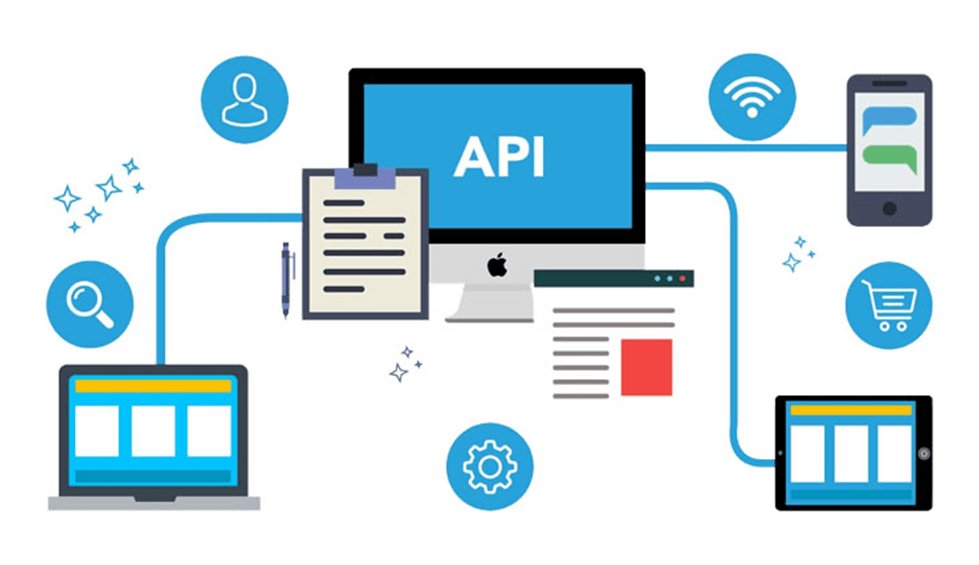
APIs: Use payment integration like Stripe, Paypal, or Razorpay for free or paid online classes respectively.
Step 4: Create a User Interface and User Experience
Properly constructed UI/UX makes your software easy to navigate and use by the client and his or her users. Key design principles include:
- Simplicity: If there is a high-content navigation system then one should not clutter his website and keep it as simple as possible.
- Responsiveness: Make sure the platform is mobile responsive.
- Customization: Provide permission to users in terms of configure their dashboards and reports.
Error Handling: Make error messages meaningful and offer simple ways of getting out of an error.
Step 5: Develop the Software
Once the designs are complete, the next step should be the one that leads to development. This step involves:
Frontend Development: Placing tangible items such as dashboards and forms in the user interface of the system.
Backend Development: In other words, constructing the basic theoretical framework and data controls as well as the mechanism of communicating with servers.
Database Integration: Designing and creating structures to host invoices, customer profiles payment records, etc.
Third-Party Integration: Including payment gateways, tax calculators, or notifications through emails.
Step 6: Test Your Software
Before you implement your billing software thoroughly assess and validate its functional, security, and performance expectations.
Key testing areas include:
Functionality Testing: Test all the features of the application such as invoicing, payment procedure, and various reports.
Performance Testing: Make certain that the system will accommodate a considerable number of transactions.
Security Testing: The first includes the protection of various important customer data by encrypting and conforming to regulations such as GDPR or PCI DSS.
User Acceptance Testing (UAT): Give simulated opportunities to end-users to try out the software and give their view.
Step 7: Software installation deployment and launch.
After you and perhaps your team have integrated and further tested the software, put it into your live utilization. This involves:
- As with any business, these can range from setting up of cloud servers or hosting platforms.
- Allowing authorized users to obtain an access credential.
Step 8: Provide Training and Support
Education of your team and your customers is the key aspect in the use of software. Offer:
Training Sessions: Instructor led or pre-recorded demonstrations for the features and the company’s working procedures.
Documentation: Product manuals, frequently asked questions, and solution guides.
Customer Support: Offer the option of e-mail or online chat, or simply phone for addressing problems.
Step 9: Update and Upgrade Your Software
As has been highlighted, often the development process does not stop at the time of the deployment phase. They guarantee that your billing software is constantly optimally functioning as it receives routine maintenance.
Bug Fixes: It is important to address them early in order to avoid Interference.
Feature Updates: Expand the functionalities to incorporate new changes in your line of business
System Upgrades: The technology stack must be upgraded from time to time as new trends become available in that particular industry.
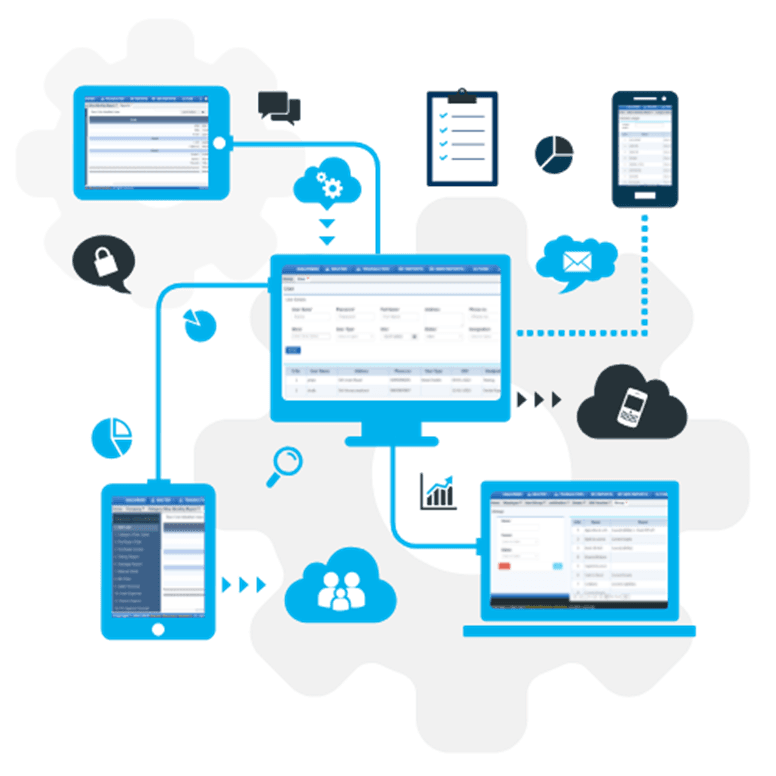
How custom software development can help your business:
Essential Custom Billing Software Attributes
To make your billing software effective and user-friendly, consider incorporating the following features:
Invoice Management: Digitize the process of invoice generation, tracking and sending the reminders.
Payment Processing: Integrate with a number of payment gateways and accept different types of currencies.
Tax Calculation: Tax rates should be dealt with in an automatic manner depending on the region of the country.
Reporting and Analytics: Arguably, provide valuable information about the sales, revenue as well as the customers.
Multi-User Access: It should be made flexible to accommodate role-based administrator, accountant and general user.
Conclusion
An understanding of the needs of your client bases and business means that it is possible to create custom billing software that will revolutionize the way that you handle billing and payment in the future. There is a lot at stake in a new business; thus using this guide to follow the right steps towards an effective solution will make the business sustainable.Custom billing software development may not always be financially friendly, but it is still much more productive than having a generic, but efficient billing system. Take your first step now and transform the way your firm manages billing and payments!
ERP Solution Development: An Ultimate Guide to Help Transform Your Business
Ready to take the next step? Let’s create your custom billing solution that will meet the needs of your business.